 By ayamnasi372@gmail.com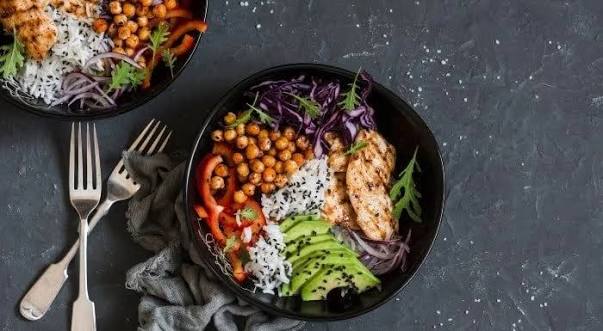
Introduction to Fat-Burning Foods
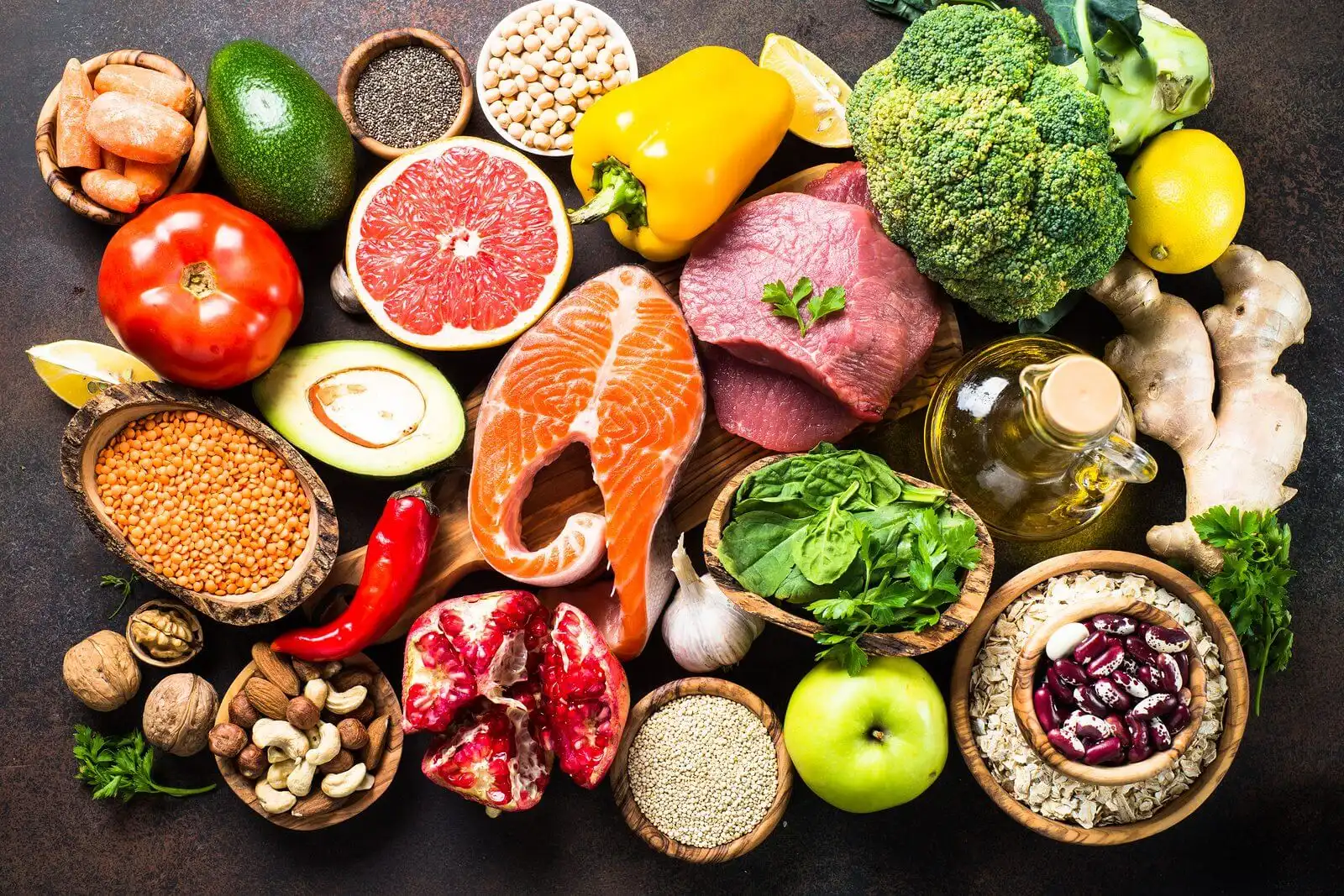
Fat-burning foods refer to a category of nutrients that are believed to enhance the body’s metabolism, promote fat loss, and assist in achieving a healthy weight. For women, the relevance of incorporating these foods into their diets is particularly significant, as they may face unique challenges related to weight management, hormonal fluctuations, and metabolic changes. Understanding fat-burning foods can empower women to make informed dietary choices that support their health and wellness goals.
The significance of these foods lies in their ability to not only aid in weight loss but also provide various health benefits. Some fat-burning foods are rich in fiber, which aids in digestion and enhances feelings of fullness, thereby reducing the likelihood of overeating. Additionally, many of these foods are packed with essential nutrients, such as vitamins and minerals, which contribute to overall well-being. Foods rich in protein, for example, can help maintain muscle mass, which is crucial during weight loss, as lean muscle plays a vital role in sustaining a healthy metabolism.
Incorporating fat-burning foods into one’s diet can also lead to improved energy levels and better hormonal balance, making them pivotal in women’s health. By choosing foods known for their thermogenic properties, women can optimize their body’s ability to burn calories effectively. Furthermore, enhancing the diet with these beneficial foods can foster a positive relationship with food, encouraging mindful eating habits.
This blog post will explore the top ten fat-burning foods for women, elaborating on how each one can contribute to a healthier lifestyle. Embracing such nutrient-dense options can pave the way for sustained weight management and enhanced vitality, empowering women to feel their best.
What are Fat-Burning Foods?
Fat-burning foods are natural food sources that can assist in the process of losing weight or decreasing body fat by promoting the body’s metabolism and improving fat oxidation. These foods possess specific properties that enhance the body’s ability to break down fat stores while supplementing the diet with essential nutrients that support overall health. When consumed regularly, these foods can be an integral part of a balanced diet aimed at weight management.
One of the crucial aspects of fat-burning foods is their metabolic benefits. Many carry a high thermogenic effect, meaning they require more energy to digest compared to others. This elevated energy expenditure can support weight loss efforts and contribute to a leaner body composition. Foods such as green tea, hot peppers, and certain proteins are known for their ability to ignite this thermogenic response.
Furthermore, fat-burning foods are often rich in specific nutrients that play a significant role in fat oxidation. For instance, foods high in fiber, such as whole grains, fruits, and vegetables, can slow digestion, leading to prolonged feelings of fullness and reduced cravings. Additionally, healthy fats found in foods like avocados and nuts provide essential fatty acids that can support hormone production and metabolic functions.
Moreover, these foods can help maintain muscle mass during weight loss, which is crucial since lean muscle tissue contributes to a faster metabolism. Protein-rich foods bolster this by helping preserve muscle mass while simultaneously aiding in fat reduction. As a result, incorporating a variety of fat-burning foods into one’s lifestyle can significantly enhance weight management efforts while providing the body with vital nutrients.
Top 10 Fat-Burning Foods for Women
In the quest for effective weight management and overall health, incorporating fat-burning foods into your diet can significantly enhance results. Here are the top 10 fat-burning foods that are particularly beneficial for women, focusing on their health benefits, cooking tips, and suggested serving sizes.
1. Avocado: Avocados are rich in healthy fats that promote satiety and help regulate metabolism. A typical serving size is half an avocado. You can add it to salads or smoothies for a creamy texture.
2. Green Tea: This beverage is known for its metabolism-boosting properties. Consuming 2-3 cups daily can aid fat oxidation. Enjoy it hot or iced for a refreshing treat.
3. Quinoa: A high-protein grain that provides essential amino acids and fiber, quinoa can aid in maintaining muscle mass. A serving size is around one cup cooked. Use it in salads or as a side dish.
4. Greek Yogurt: Packed with protein, Greek yogurt can promote muscle gain and fat loss. Opt for plain varieties, with a serving size of one cup. It can be enjoyed with fruits or blended into smoothies.
5. Berries: Berries, such as blueberries and strawberries, are low in calories and high in antioxidants, aiding in fat metabolism. A serving size is approximately one cup. They are delicious in oatmeal or as a healthy snack.
6. Almonds: Almonds are a great source of healthy fats and can curb hunger. A serving size is about 23 almonds. They can be included in salads or eaten as a portable snack.
7. Salmon: Rich in omega-3 fatty acids, salmon helps reduce inflammation and supports weight loss. A recommended serving is around 4 ounces. Grill or bake it for a nutritious meal.
8. Spinach: This leafy green is low in calories and high in fiber, helping control appetite. A serving of one cup cooked can be added to various dishes, especially smoothies or salads.
9. Eggs: Eggs are a great source of protein and can help improve fullness. Enjoy them boiled, scrambled, or as an omelet, with a serving size of two eggs for breakfast.
10. Chili Peppers: Containing capsaicin, chili peppers can enhance metabolism and promote fat loss. Add them to various dishes, with an appropriate serving being one medium pepper.
Integrating these fat-burning foods into your meals can not only help in managing weight effectively but also contribute to improved overall health. Remember to pair them with a balanced diet and regular exercise for optimal results.
Incorporating Fat-Burning Foods into Everyday Meals
Integrating fat-burning foods into your diet can significantly enhance your weight management efforts. To begin with, planning is essential. Prepare a meal plan that features a variety of fat-burning foods throughout the week. This not only streamlines your grocery shopping but also ensures you have healthy options readily available for your meals. For instance, starting your day with oatmeal topped with berries and a sprinkle of cinnamon offers a wholesome breakfast that promotes fat loss.
Additionally, consider prepping your meals in advance. You might dedicate a few hours each weekend to cook batches of lean proteins, such as grilled chicken or baked salmon, paired with roasted vegetables like broccoli or sweet potatoes. These meal preps can serve as lunch or dinner during busy weekdays, ensuring you stay on track without relying on unhealthy fast food options.
Snacks are another crucial aspect of incorporating fat-burning foods. Opt for snacks that are both nutritious and satisfying, such as Greek yogurt blended with nuts or a smoothie containing spinach, banana, and protein powder. These will not only keep your metabolism active but also help curb cravings between meals.
When it comes to recipes, consider creating a salad with arugula, cherry tomatoes, cucumbers, and chickpeas, drizzled with a lemon vinaigrette for a refreshing lunch. Alternatively, for dinner, you can prepare a stir-fry with quinoa, broccoli, bell peppers, and tofu, spiced with ginger and garlic for added flavor. This is an excellent way to enjoy fat-burning ingredients while ensuring your meals are diverse and appetizing.
Ultimately, by incorporating these strategies, you can seamlessly integrate fat-burning foods into your everyday meals, leading to better health outcomes and aiding weight management efforts.
The Science Behind Fat-Burning Foods
The concept of fat-burning foods has garnered significant interest in the nutritional and fitness communities. Various scientific studies have focused on how certain foods can enhance metabolism, promote satiety, and ultimately assist in weight loss. One primary mechanism by which these foods exert their effects is through the thermogenic process. Foods that are rich in protein, such as lean meats and legumes, require more energy to digest, promoting a higher metabolic rate.
Research indicates that certain spices, such as cayenne pepper, can increase thermogenesis due to their capsaicin content. Capsaicin is known to enhance metabolic rates, potentially leading to increased energy expenditure. In a study published in the ‘American Journal of Clinical Nutrition,’ participants who consumed capsaicin experienced a boost in metabolism, which underscores the role of specific ingredients in fat loss.
Furthermore, the satiety factor is crucial in weight management. Foods high in fiber, such as fruits, vegetables, and whole grains, not only promote feelings of fullness but also slow down the digestion process. A study in the ‘Journal of Nutrition’ highlighted that individuals consuming high-fiber diets reported lower hunger levels, which aids in reducing overall caloric intake.
Additionally, healthy fats, such as those found in avocados and nuts, have been shown to promote hormone balance and assist in fat loss. Research from the ‘Journal of Obesity’ suggests that incorporating moderate amounts of healthy fats improves metabolism and enhances the body’s ability to burn fat. The integration of these foods into a balanced diet, combined with regular physical activity, plays a significant role in achieving sustainable weight loss.
In conclusion, the scientific backing for fat-burning foods is robust, with various studies illustrating their potential effects on metabolism, satiety, and weight management. By understanding the underlying mechanisms, individuals can make informed dietary choices that align with their health goals.
Common Myths About Weight Loss and Foods
In the pursuit of weight loss, numerous myths have emerged that often lead women to make misguided dietary choices. One prevalent myth is the belief that all fats contribute to weight gain, leading many to eliminate healthy fats from their diets entirely. In reality, healthy fats found in foods such as avocados, nuts, and olive oil can support weight management and promote satiety, which helps reduce overall calorie intake.
Another common misconception is that restrictive dieting accelerates weight loss. While it may lead to short-term results, cutting too many calories can slow metabolism and lead to nutrient deficiencies, making it harder to sustain weight loss over time. Instead, focusing on a balanced diet that includes a variety of fat-burning foods can provide the necessary nutrients while still promoting effective weight management.
Furthermore, there is often a misunderstanding that carbohydrates are inherently bad for weight loss efforts. When consumed in moderation and in the form of whole, unprocessed foods, carbohydrates can be part of a healthy diet. Complex carbohydrates, such as those found in whole grains and legumes, provide essential energy and can aid in metabolic processes related to fat burning.
Additionally, many women fall prey to the myth that certain foods are “magical” and alone can cause weight loss, such as specific fat-burning foods. While individual foods can support weight loss, it is the overall diet and lifestyle that determines success. Incorporating a well-rounded diet rich in diverse nutrients, along with regular physical activity, is crucial for effective weight management.
Understanding the facts behind these myths can empower women to make informed dietary choices that are crucial for achieving their weight management goals.
The Role of Exercise Alongside Diet
In the pursuit of weight loss and overall health, the combination of diet and exercise plays a crucial role. While incorporating fat-burning foods into your meal plan is vital, to achieve the desired results, it is important to combine these dietary choices with a consistent exercise regimen. Engaging in regular physical activity not only enhances the body’s ability to burn fat but also improves muscle tone, cardiovascular health, and overall well-being.
To begin, it is essential to establish a versatile workout routine that complements your diet. This should include a balanced mix of cardiovascular and strength training exercises. Cardiovascular exercises, such as running, cycling, and swimming, are effective in increasing heart rate and promoting fat loss. Incorporating these activities into your weekly plan can significantly accelerate the fat-burning process. On the other hand, strength training—such as weight lifting, resistance bands, or bodyweight exercises—helps build muscle mass, which is crucial as muscle tissue burns more calories at rest than fat tissue.
A well-structured workout regime should ideally include at least 150 minutes of moderate-intensity cardiovascular activity per week, along with two days dedicated to strength training. This balanced approach provides a comprehensive strategy to boost metabolism and enhance the efficiency of fat-burning foods. Additionally, it allows for progressive overload, where you can gradually increase the intensity and volume of your workouts to continue seeing improvement.
Moreover, combining a nutritious diet rich in fat-burning foods, such as lean proteins, whole grains, and greens, with consistent exercise creates a synergistic effect. This means that not only will you experience weight loss, but you will also benefit from improved energy levels, enhanced mood, and better body composition. Therefore, ensuring that both dietary habits and exercise routines are in alignment is essential for achieving optimal results.
Personal Success Stories
In recent years, numerous women have embraced the integration of fat-burning foods into their daily diets, witnessing remarkable transformations. These success stories not only inspire but also exemplify the effectiveness of making conscious dietary choices. For instance, Jessica, a 34-year-old mother of two, struggled with weight management after her pregnancies. By focusing on incorporating nutrient-rich foods such as avocados, leafy greens, and berries, she began to see changes. After six months, Jessica lost 25 pounds and reported feeling energized and healthier than ever.
Similarly, Maria, a 28-year-old fitness enthusiast, wanted to refine her physical appearance and optimize her workouts. By adding foods known for their fat-burning properties, like quinoa and salmon, to her meals, she not only improved her metabolism but also enhanced her muscle recovery. Maria’s dedication culminated in a leaner physique that garnered praise from friends and family, motivating her to share her journey on social media, where she encourages others to explore similar dietary changes.
Another notable account is that of Linda, a 45-year-old professional who had struggled with her weight for years. By educating herself about the benefits of green tea and chia seeds, she decided to substitute her usual snacks with these healthy alternatives. As a result, Linda shed 30 pounds over a year and discovered newfound confidence.
These personal accounts shed light on the importance of consistency and willingness to explore new foods. Each woman’s journey highlights that incorporating fat-burning foods into one’s diet is not merely about weight loss but also about embracing a healthier lifestyle. Motivated by these narratives, many readers can find the inspiration they need to embark on their own transformative journeys.
Conclusion and Next Steps
In reviewing the top ten best fat-burning foods for women, it is clear that incorporating nutrient-rich foods into your diet can significantly contribute to effective weight management. Nutritional powerhouses such as lean proteins, healthy fats, and fiber-rich fruits and vegetables not only aid in burning fat but also promote overall health and well-being. Each of the foods discussed plays a crucial role in maintaining a balanced metabolism, supporting energy levels, and enhancing physical performance, which is essential for any weight loss plan.
As you embark on your journey to include these fat-burning foods in your meals, consider creating a balanced diet tailored to your personal preferences and fitness goals. Emphasizing whole food options while limiting processed items can yield effective and sustainable results. Additionally, pairing dietary changes with regular physical activity can further amplify the benefits of these fat-burning foods.
For those looking to explore more related content, we encourage you to visit our recipe section for ideas on how to creatively incorporate these foods into your daily meals. You can also check out our guides on maintaining a healthy lifestyle, including tips for meal prepping, grocery shopping, and understanding nutritional labels. Creating a supportive environment around your health journey will make it easier to stick to your goals.
By understanding the importance of these fat-burning foods and incorporating them into a healthy lifestyle, you will be better equipped to achieve optimal health and fitness outcomes. Start today by choosing a few of these foods to include in your diet, and see how they can transform your approach to weight management.